You keep saving posts about blogging. You tell yourself, maybe this is the year you finally start. But every time you try to learn how, the advice feels loud, scattered, and overwhelming.
If you are worried you are already behind, you are not. Most beginners feel exactly like this at the start, especially when they’re trying to learn everything at once.
Below, I’ll help you quiet the noise and give you a clear path forward, one step at a time.
Blogging in 2026 isn’t about hacks or hustle. It’s about building something steady, thoughtful, and useful without pressure or confusion.
Table of Contents
PRO TIP: Save time & money with the professional generators trusted by over 200,000 businesses and create essential legal policies personalized to your needs in minutes.
Step 1: Choose Your Blog Niche in 2026
Choosing a niche is where most people freeze. It can feel risky when you’re afraid of choosing wrong or getting stuck with something you’ll regret later.
Your niche is a starting point, not a permanent decision. It gives your early posts direction so readers understand who you’re helping and why your content matters.
A strong niche connects something you care about with a real problem others already have.
Clear, specific topics, including low-competition blog niches, are often easier to grow than broad ideas because people recognize themselves in them more quickly.
I’ve seen many beginners struggle not because they lacked motivation, but because their topic was so broad that readers couldn’t tell what problem the blog actually solved.
PRO TIP: Pay attention to how your energy feels after outlining a few post ideas. If it already feels heavy or forced, it likely won’t last. The right niche usually feels manageable, even on slow days.
Step 2: Pick a Name for Your Blog

Naming your blog often feels harder than it needs to be because it feels like a final decision. In reality, you’re not naming a corporation. You’re naming a home for your ideas.
A good blog name is clear, readable, and easy to remember. It should hint at what the blog helps with without limiting you, especially if your website ideas evolve as you refine what you want to build.
Short names are easier to spell, easier to share, and easier for readers to recall later.
Before you commit, check domain availability and make sure the name isn’t too close to an existing brand.
Flexibility matters here, so choose a name that lets you grow into related topics over time instead of locking you into something narrow too early.
Step 3: Choose the Right Blogging Platform

Not all platforms are built for long-term growth. Some make publishing feel easy at first, but limit your control later, which can become stressful once your blog starts gaining traction.
In 2026, owning your website matters more than ever. It gives you control over your content, layout, and future options without worrying about sudden rule changes.
Beginner-friendly platforms help you get started quickly, but growth-friendly platforms help you build something that lasts.
The key difference is ownership. When everything lives on a platform you don’t control, you’re building on borrowed ground.
I always recommend thinking a few steps ahead here because switching platforms later is far more stressful than starting with the right foundation, even if the setup feels unfamiliar at first.
Step 4: Set Up Your Website (Domain, Hosting, Design, Tools)
Setting up your website sounds technical, but it’s mostly a series of small, manageable steps. You don’t need to understand everything before you begin.
Start by connecting your domain and hosting. Most providers guide you through this clearly, and you can move slowly without breaking anything.
Once your site is installed, choose a clean, simple design that makes reading easy.
Your website doesn’t need to look finished. It needs to be readable, functional, and calm. Too many fonts, colors, or sidebars can overwhelm readers, especially when they’re new to your space.
When someone lands on it, they should immediately understand what you write about and feel comfortable staying awhile.
Step 5: Build Your Blogging Strategy
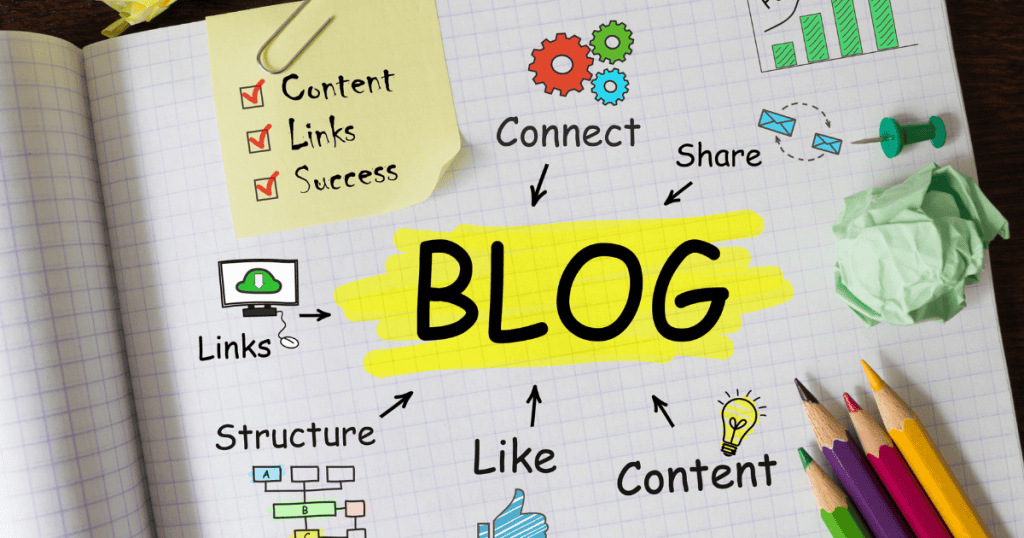
Without a plan, blogging quickly becomes exhausting. A simple strategy keeps you focused without turning blogging into another source of pressure.
Start by choosing a few core topics you’ll return to again and again.
These become your content pillars and help readers understand what your blog is about, which is often what new bloggers should focus on first.
Next, decide how often you can realistically publish without burning out.
Once a week is often more powerful than daily posting that doesn’t last. Simple systems matter more than big goals.
Keep one place for ideas, one place for drafts, and one clear routine for publishing.
Most beginners grow faster with fewer topics and a deeper focus because depth builds trust more reliably than jumping between ideas every week.
Step 6: Write Your First Blog Post
Your first post doesn’t need to be impressive. It needs to be helpful.
Start with a question someone in your niche is already asking, something practical, frustrating, or confusing. Outline before you write so you’re not staring at a blank screen, wondering what comes next.
Use short paragraphs, clear examples, and straightforward language.
Beginner questions are powerful because they attract readers who feel exactly like you do right now.
I’ve watched many first posts succeed simply because they were honest, specific, and easy to understand.
For example, instead of writing a broad post about “starting a blog,” you might write something like “how I chose my niche when I had too many ideas and no confidence.”
That kind of specificity helps readers feel seen immediately.
Step 7: Set Up Basic Legal & Trust Pages

Trust pages make a new blog feel established and thoughtful, especially if you want to blog legally from the beginning. They show readers and platforms that you take your site seriously.
At minimum, most blogs include a Privacy Policy, Disclaimer, Terms page, About page, and Contact page.
These legal pages explain who you are, how your site operates, and what readers can expect when they’re spending time on your site.
You’re not doing this because you expect problems. You’re doing it because you’re building something properly from the start.
Clear information builds confidence for you and for the people finding your blog. This step often feels small early on, but it matters more as your blog grows, and doing it sooner removes stress later.
Step 8: Launch Your Blog

Launching doesn’t mean announcing perfection. It simply means opening the door.
Before you share your blog, it helps to do a simple check so visitors feel oriented instead of confused.
This isn’t about fixing everything. It’s about making sure the basics are in place, especially if you’re trying to build your blog faster without overthinking every detail.
Here’s a simple pre-launch checklist:
- You have 3–5 posts published, even if they feel imperfect
- Your About, Contact, and basic trust pages are visible
- All links work and don’t lead to blank pages
- Your site is easy to read on mobile
- Visitors can tell what you write about within a few seconds
That’s enough to launch.
Your blog will evolve. Every successful site started messy. Waiting until everything feels finished keeps many people stuck longer than necessary.
Progress comes from beginning, not polishing forever.
Step 9: Promote Your Blog
Promotion works best when it feels human, not forced. Pick one main traffic channel to focus on first so you don’t feel scattered.
Pinterest, basic SEO, or Facebook are common starting points. Facebook, in particular, can work well early on in getting your first readers when you focus on conversations instead of links.
Joining groups related to your topic, answering questions, and sharing insights naturally help people recognize your voice before they ever click through.
Trust comes before clicks. Visibility grows through consistency, not pressure.
Step 10: Monetize Your Blog

Monetization works best when it’s layered on top of trust. You don’t need to figure this out right away.
Common beginner paths include affiliate links, ads, simple products, or services, but none of them need to be tackled all at once.
Clear niches tend to monetize more smoothly because readers understand what you help with and why you’re credible.
Income grows as your foundation strengthens. Traffic, trust, and consistency matter far more than shortcuts. Patience here often makes income feel steadier and less stressful over time.
If everything starts to feel jumbled, having a simple reference point helps you refocus without spiraling.
Blogging doesn’t require doing everything at once. It works best when you take one clear step at a time and trust that steady progress builds something real.
You are not late. You are at the beginning, and that is a solid place to start.