You open your laptop with good intentions, then immediately feel behind. There are courses, checklists, Facebook groups, and a hundred voices all telling you different things you should be doing right now.
One person says content is everything. Another says traffic comes first. Someone else insists you need funnels, branding, and systems before you even publish.
That kind of noise does not motivate you. It freezes you.
The truth is, you do not need to do everything at once. Most people only need to focus on a few steady foundations that actually move their blog forward.
Once those are in place, the rest starts to feel clearer instead of heavier.
Below, I’ll discuss what tends to matter first, what can usually wait, and how to keep yourself from burning out before your blog even has a chance to grow.
PRO TIP: Save time & money with the professional generators trusted by over 200,000 businesses and create essential legal policies personalized to your needs in minutes.
The 5 Foundations New Bloggers Should Focus On First
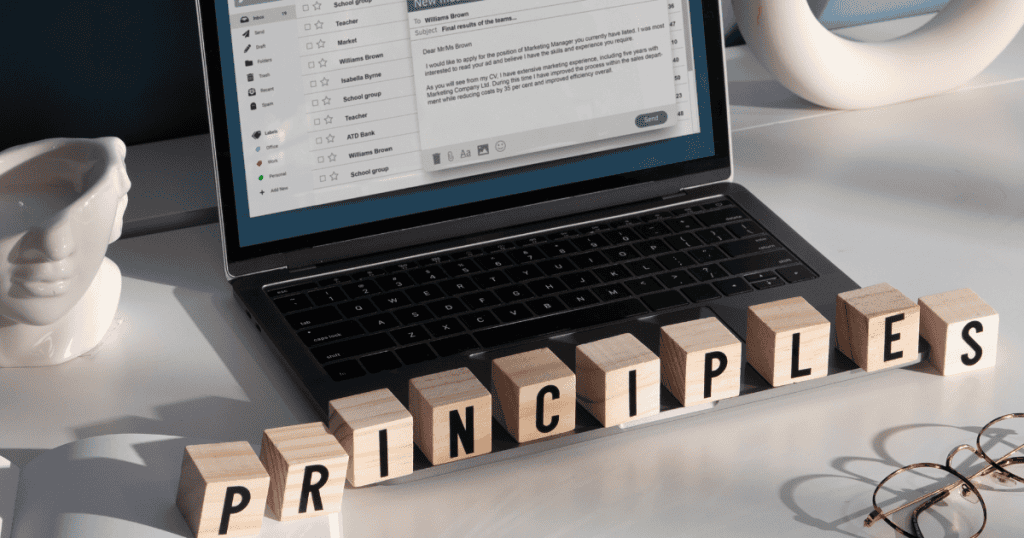
1. Get Clear on Your “Why” and Who You’re Writing For
Most people start a blog because something feels unfinished. Maybe you want extra income, flexibility, or a creative outlet that feels like yours.
Your reason shapes many decisions, even the ones that seem small.
For example, someone hoping to support their family long term will usually make different choices than someone who just wants a place to write occasionally.
Neither is wrong. They are simply different paths.
Pause and be honest about why you are here right now. Then narrow in on who you are writing for.
You do not need a detailed profile. Picture one real person whose questions you already understand.
Ask simple things: what are they struggling with this week, and what do they wish someone would explain without making them feel behind.
That clarity becomes your filter.
When you write, you are talking to one person who needs reassurance and direction. That makes topic and tone decisions much easier.
PRO TIP: If deciding what to write next starts to feel overwhelming, come back to that one person. If it genuinely helps them, it usually belongs on your blog.
2. Create Helpful, Reader-Focused Content Consistently

In the beginning, it is tempting to write whatever feels good that day. That often looks like opening a blank post, typing a few paragraphs, closing the tab, and telling yourself you will come back later.
Over time, that pattern can leave you with scattered drafts and very little momentum, which is why building your own content system can make such a difference early on.
Helpful content usually starts with real questions.
Think about what you searched for when you were trying to figure things out yourself, the phrases you typed into Google late at night, and the posts you saved because someone finally explained something clearly.
Those are often the same questions your reader is quietly asking.
Instead of chasing inspiration, many people find it easier to focus on usefulness. One clear topic per post. One problem. One takeaway that feels practical.
Consistency does not have to mean posting every day. For many beginners, one post a week is more than enough.
A pace you can keep matters more than volume.
I have seen many people struggle not because they lacked ideas, but because they tried to do too much too fast. Slower posting often keeps confidence intact and energy steady.
Start by building a small library of posts you are proud to share again. Over time, those pieces become the backbone of your blog.
Consistency works best when it feels manageable, not pressured.
3. Choose One Main Traffic Channel to Learn First
Trying to learn every platform at once is one of the quickest ways to burn out. Pinterest, search, Facebook, Instagram, email, and short-form video all work differently and reward different skills.
Most people do better when they choose one place to focus.
This might look like picking Pinterest because you enjoy planning visuals, focusing on search, or using Facebook to get your first readers through conversations and community.
After all, writing feels natural to you.
Focusing does not mean mastering everything right away. It usually looks like learning the basics, testing a few ideas, and paying attention to what happens.
You notice what gets clicks, and you notice what feels easy to create versus what feels draining.
Think of this channel as your practice space. For the first few months, let it be your main learning ground.
Once things feel steadier, adding another channel later often feels far less overwhelming.
Many successful blogs grow one platform at a time.
4. Start Simple With Email List Building (After a Few Posts)

You do not need an email list on day one. For most people, email becomes helpful once there is something worth inviting readers back for.
After you have a few solid posts, it often starts to make sense.
An email list adds stability. Platforms change, and algorithms shift, but email gives you a direct way to stay connected with people who choose to hear from you.
Starting simple tends to work best.
This might be one small free resource that solves a specific problem, like a checklist or a short guide that saves your reader time or confusion.
Your emails do not need to sound polished or promotional. Short, helpful, and human usually works better.
I often recommend keeping early emails simple because it lowers pressure and makes consistency easier. Confidence tends to grow naturally as the relationship with your readers grows.
Email works best when it feels like a conversation, not a campaign.
5. Set Up Basic Blog Foundations (Design, Tech, and Legal)
This is where many people overcomplicate things.
Your blog does not need to be beautiful. It usually just needs to be readable.
Before worrying about design details, check the basics:
- Does the layout feel clean and uncluttered?
- Is the text easy to read on a phone?
- Can someone find their way around without thinking too hard?
If the answer is yes, you’re in a good place. Getting these few things right goes a long way.
Clear menus help people find what they need. An about page explains who you are and why you write. A contact page shows you are real.
Performance often matters more than design details. A simple site that loads quickly usually builds more trust than a flashy one that feels hard to use.
This is also the stage where it helps to think about doing things properly.
Adding basic legal pages early is less about fear and more about treating your blog as something that matters. These pages often become relevant sooner than people expect.
Setting foundations now can reduce stress later.
What New Bloggers Can Safely Ignore (For Now)

There is a lot that does not need your attention yet.
You can usually ignore obsessing over brand colors and fonts, advanced search strategies, complicated funnels, and managing multiple platforms at once.
Constant rebranding often creates more confusion than progress.
Many larger blogs look polished because they have been around for years. They have systems, teams, and experience you are still building.
Comparing your beginning to their middle creates unnecessary pressure.
Growth happens in layers. Right now, focusing on clarity, consistency, and confidence often does more than chasing advanced strategies.
Moving slower than the internet suggests is often what makes growth sustainable in the long run.