You don’t usually realize something’s missing until your blog starts feeling real.
A post gets shared. Someone signs up. A platform asks for information you’ve never thought about before. And suddenly, you’re wondering if you skipped something important without meaning to.
If that moment feels familiar, you’re not behind. Most people build first and question things later.
Blogging doesn’t come with a checklist, and no one sits you down to explain what matters when things start working.
This isn’t about laws or worst-case scenarios. It’s about slowing things down long enough to make sure your blog is set up in a way that feels steady, intentional, and worth protecting as it grows.
Below are seven simple checks you can walk through at your own pace, without pressure, panic, or overthinking.
Table of Contents
PRO TIP: Save time & money with the professional generators trusted by over 200,000 businesses and create essential legal policies personalized to your needs in minutes.
Step 1: Add the Core Legal Pages Your Blog Needs

When you’re starting a blog, legal pages are easy to overlook.
They don’t feel urgent, and they don’t change how your site looks or functions day to day. That’s why many people put them off without realizing it.
Most blogs rely on a small group of foundational pages.
These usually include a privacy policy, a disclaimer, terms and conditions, and disclosures. Each one serves a different purpose, but together they explain how your site works and what readers can expect.
You don’t need to understand legal language to grasp why this matters. These pages quietly set boundaries. They clarify responsibilities, explain limits, and reduce confusion before it starts.
I’ve seen blogs gain traction quickly and then scramble later because these basics weren’t in place early.
Adding them isn’t about expecting problems. It’s about treating your blog like something you plan to keep.
Step 2: Understand How Your Blog Collects Personal Data

Many blogs start collecting personal data the moment they go live, often without the owner noticing.
This doesn’t mean you did anything wrong. It just means modern websites are interactive by default.
A contact form collects names and email addresses. Analytics tools track visits. Cookies store preferences. Email signups save subscriber information. All of this is normal, but it does mean data is involved.
Privacy expectations are built around transparency. Readers should understand what information is collected and why.
That’s why your privacy policy should reflect what your blog actually does, not what you assume it does.
A simple way to check is to move through your site as a visitor. Fill out a form. Click links. Notice what tools are running in the background.
That quick walk-through often clears up confusion and helps everything stay aligned.
Step 3: Create and Share Content You’re Allowed to Use

Creating original content is one of the simplest ways to protect your blog. It’s also an area where mistakes can happen quietly and unintentionally.
Your writing, photos, graphics, and videos are protected by copyright as soon as you create them. The same applies to content created by others. This includes blog posts, images, social captions, and downloads.
Referencing other content is usually fine when it’s done thoughtfully. Quoting short portions, linking to sources, and sharing ideas in your own words are common practices.
Problems tend to arise when full articles are copied, images are pulled from search results, or content is reused without permission.
PRO TIP: If you didn’t create it yourself, pause before publishing. Check where it came from, how it’s licensed, and whether you’re allowed to use it the way you plan to.
Step 4: Use Fonts, Images, and Design Assets Legally

Design elements help a blog feel polished and cohesive, but they often come with usage rules that aren’t obvious at first glance.
Fonts, stock photos, icons, and templates usually include licenses.
“Free” doesn’t always mean free for commercial use, and personal licenses don’t always apply once a blog earns income or promotes products.
Before uploading a design asset, it helps to skim the usage terms. Look for language about commercial use, redistribution, and attribution. This step usually takes a few minutes and saves time down the road.
I’ve noticed that bloggers who treat visual assets with the same care as written content rarely run into issues.
Once license checks become routine, they stop feeling like extra work.
Step 5: Disclose Monetization Clearly and Consistently

If your blog earns money, or is likely to in the future, transparency matters more than perfection.
Readers shouldn’t have to guess whether a link earns you income or a recommendation was compensated.
Affiliate links, sponsored content, gifted products, and paid partnerships all require clear disclosures. These don’t need to sound formal or complicated. They just need to be honest and easy to spot.
Disclosures work best when they’re visible and written in plain language. A short note near the content is often enough to set expectations and maintain trust.
Consistency also matters. If you disclose on your blog, your social posts should reflect that approach too. Alignment helps everything feel intentional and reduces second-guessing later.
Step 6: Know Which Privacy Laws May Apply to Your Blog
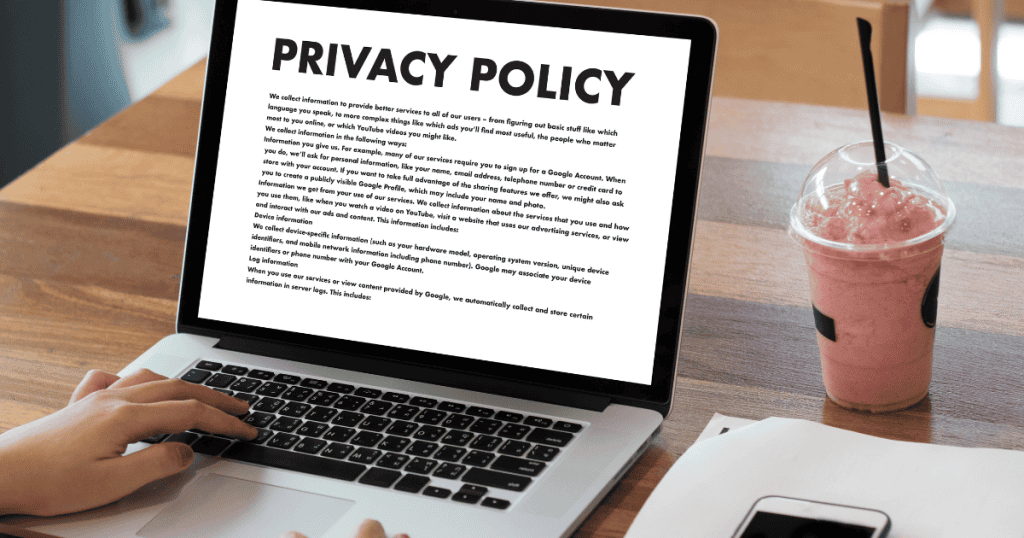
Privacy laws can apply based on where your readers live, not just where you do. This surprises many beginners, especially when traffic grows faster than expected.
You may have heard of regulations like GDPR or CCPA. You don’t need to understand every detail to take them seriously. A general awareness goes a long way at this stage.
What matters most is recognizing that privacy compliance isn’t a one-time task. Tools change. Features are added. Email lists grow. Your setup should evolve alongside your blog.
A simple check-in like the one below helps keep things manageable:
- Do you know where your readers are generally located?
- Are your policies updated when tools change?
- Is your privacy policy easy to find?
- Do forms explain what happens to submitted information?
- Are cookie notices aligned with actual usage?
These reviews help keep your blog aligned without adding stress.
Step 7: Make Sure Your Blog and Social Platforms Are Aligned

Blogs don’t exist on their own. Social media, email newsletters, and content sharing all work, even when you don’t treat them as a single system.
When you share posts on platforms like Facebook, Pinterest, or Instagram, you’re extending your blog’s presence. The same expectations around transparency and clarity still apply.
If your blog includes disclosures, your social posts should reflect that. If your site explains how data is handled, signup links should match. Alignment makes everything feel calmer and more professional.
I’ve found that when these pieces point back to the same clear setup, blogging feels less stressful. You’re not wondering if something was missed or whether a post crossed a line unintentionally.
Blogging legally isn’t about doing everything at once or getting it perfect. It’s about taking your blog seriously enough to protect it as it grows.
Most people don’t think about these steps when they publish their first few posts. They revisit them when traffic builds, income appears, or platforms start asking questions. That timing is normal.
What matters is recognizing when your blog has moved beyond a hobby and deserves a bit more structure. Not because you expect problems, but because clarity creates confidence.
When your foundation feels steady, it becomes easier to focus on writing, sharing, and connecting without second-guessing every move.
Saving this list and returning to it as your blog evolves can help you stay grounded, prepared, and confident as things grow, one step at a time.