You didn’t start your blog thinking about rules, protection, or responsibility. You started because you had something to say and finally worked up the courage to say it.
Then, somewhere between choosing a theme and hitting publish, a quiet tension showed up. That small voice asking if you’re doing something wrong without realizing it.
You might be writing posts, setting up tools, and learning as you go, while also wondering if there’s something important you’re missing.
Not because you’re careless. Because no one really explains this part when you’re new.
That uncertainty is normal. Most beginners feel it, even the ones who look confident online.
Protecting your blog isn’t about fear or expecting problems. It’s about setting things up in a way that feels clear, steady, and respectful, so you can focus on creating without constantly second-guessing yourself.
Table of Contents
PRO TIP: Save time & money with the professional generators trusted by over 200,000 businesses and create essential legal policies personalized to your needs in minutes.
Why Blog Protection Starts Earlier Than Most People Think?

When you’re starting a blog, protection feels like something you deal with later.
Right now, you’re focused on writing, choosing a theme, and figuring out how everything works.
That’s normal.
Legal and “setup” stuff sounds heavy when all you want to do is create.
Most people assume it only matters once traffic or money shows up. In reality, your blog starts carrying responsibility the moment it goes live.
Not because you did anything wrong. Just because that’s how online platforms work.
Protection doesn’t mean expecting problems. It means setting expectations early so nothing feels confusing later.
Think of it like this. When someone visits your blog, they’re trusting you with their time, attention, and sometimes their information. Clear boundaries help them feel safe engaging with your content.
I’ve seen many new creators stress themselves out simply because they didn’t know what needed to be clear upfront. Most of that stress is avoidable.
Protecting Your Blog When You Collect Visitor Data

Here’s something that surprises a lot of beginners.
Most blogs collect data without you actively doing anything.
Analytics tools, comment sections, email sign-up forms, and cookies all work quietly in the background. From your side, it feels harmless. From a visitor’s side, it feels personal.
People want to know what’s happening, even if the data seems small.
The confusion usually doesn’t come from misuse. It comes from silence. When visitors can’t find clear explanations, trust starts to wobble.
It can even make them quietly wonder if your blog is legal.
You don’t need technical language. You just need to be honest and visible.
PRO TIP: If you’d feel awkward explaining how your site collects information in a casual message to a friend, that’s a sign it needs to be clearer on your blog.
Protecting Yourself When You Share Advice, Opinions, or Tutorials

Blogging often feels like a conversation. You write the way you talk. Readers start to feel like they know you.
That connection is powerful, but it can blur lines without you realizing it.
Advice can sound like instruction. Personal stories can sound like guarantees.
This shows up a lot with topics like money, health, parenting, or self-improvement. Someone may read your experience and assume they’ll get the same result.
That’s where setting expectations matters.
Disclaimers don’t make your content cold or distant. They simply clarify that you’re sharing information and experience, not promising outcomes.
I always suggest reading your posts as if you’re a stranger finding them for the first time. Would the purpose of the content be clear?
Clear expectations protect you and your reader at the same time.
Protecting Your Blog as Soon as You Monetize

Monetization doesn’t have to be big to matter.
One affiliate link or sponsored mention changes how your content is perceived.
Readers deserve to know when money is involved. Platforms expect disclosures to be easy to see and easy to understand. This isn’t about formality. It’s about transparency.
When disclosures feel natural and upfront, trust actually grows.
Income stories also need care. Sharing your experience is fine. Suggesting guaranteed results is where problems usually start.
I’ve seen trust erode quickly when readers feel surprised by monetization they didn’t expect.
Being clear early makes monetization feel normal later.
Protecting Your Content, Rules, and Ownership
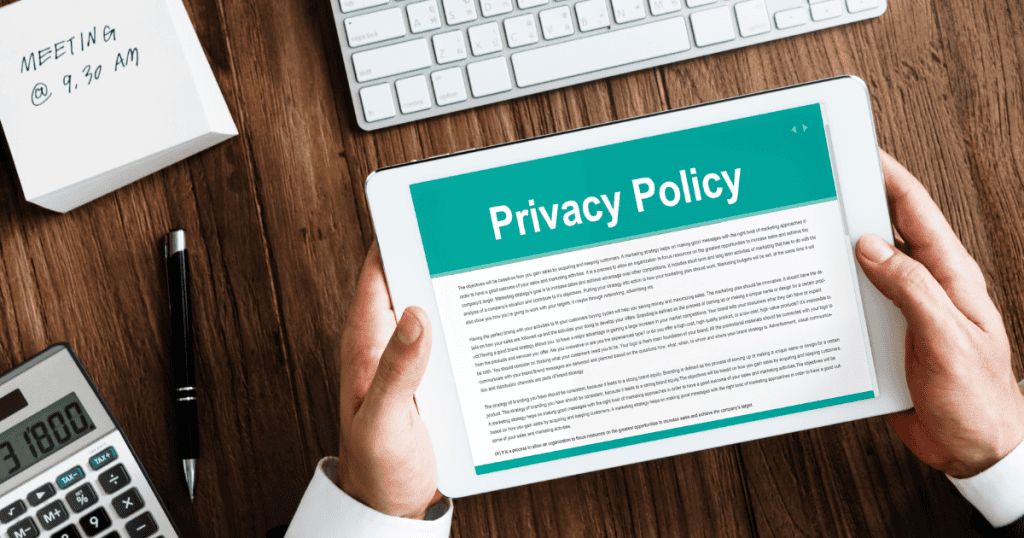
As your blog grows, your content will travel. Posts get shared, quoted, and sometimes reused without context.
This is where having clear rules helps.
Terms and Conditions is one of the four legal pages every blogger needs. It explains how your site works.
They outline what visitors can expect, how content can be used, and how interactions like comments are handled. This isn’t about control. It’s about clarity.
Your writing, images, and ideas are work you created. Protecting them is part of respecting your own effort.
Clear rules also prevent uncomfortable conversations down the line. When expectations are set early, you have something to point to instead of constantly explaining yourself.
Your blog doesn’t exist on its own. It connects to emails, social platforms, and shared links.
Readers experience all of it as one thing.
I’ve noticed confusion often happens when a blog is set up thoughtfully, but emails or social posts are not. Consistency matters more than perfection.
When disclosures and boundaries feel aligned everywhere, your blog feels steady and professional.
Compliance moves with your content wherever it goes.
If everything feels overwhelming, come back to this short check-in:
- Would a new visitor understand what your blog is about?
- Is it clear when information is shared versus promised?
- Would someone know what data is collected and why?
- Do monetized links feel upfront instead of hidden?
- Are your boundaries easy to find if someone looks for them
You don’t need everything perfect. You just need things clear enough that no one feels confused.
Protecting Your Blog Beyond the Website Itself

Protection isn’t about fear. It’s about confidence.
When expectations are set, you stop second-guessing yourself. You spend less time worrying if something feels unclear and more time creating content you care about.
Blogging is worth doing properly, even when it’s small. Setting things up thoughtfully from day one gives your blog room to grow without unnecessary stress.
Before you publish your next post, pause for a moment and ask yourself this: What part of protecting your blog still feels confusing or unfinished right now?
If you’re unsure about any of these, that’s okay. This isn’t something you need to have perfectly figured out yet. It’s just a way to notice what might need a little more clarity as your blog grows.